

Why Surface-Mount Technology Matters: Insights for Clients in Electronics Manufacturing
In the realm of electronics manufacturing, Surface-Mount Technology (SMT) has emerged as a cornerstone technique that transforms how components are integrated into circuit boards. For clients navigating the complex world of electronics, grasping the fundamentals of SMT is essential, as it not only affects the design and functionality of products but also influences factors such as cost, size, and performance. At its core, OurPCB SMT assembly involves mounting electronic components directly onto the surface of printed circuit boards (PCBs), a method that contrasts with through-hole technology, where components are inserted into pre-drilled holes.
One of the primary advantages of SMT is its ability to allow for a more compact design. As electronic devices become smaller and more powerful, the demand for miniaturization has never been greater. SMT enables manufacturers to place components closer together on a PCB, optimizing the use of space and allowing for the development of sleeker, lighter products. This compactness is particularly crucial in industries such as consumer electronics, where portability and convenience are paramount. By leveraging SMT, businesses can create devices that not only meet consumer demands but also stand out in a competitive market.
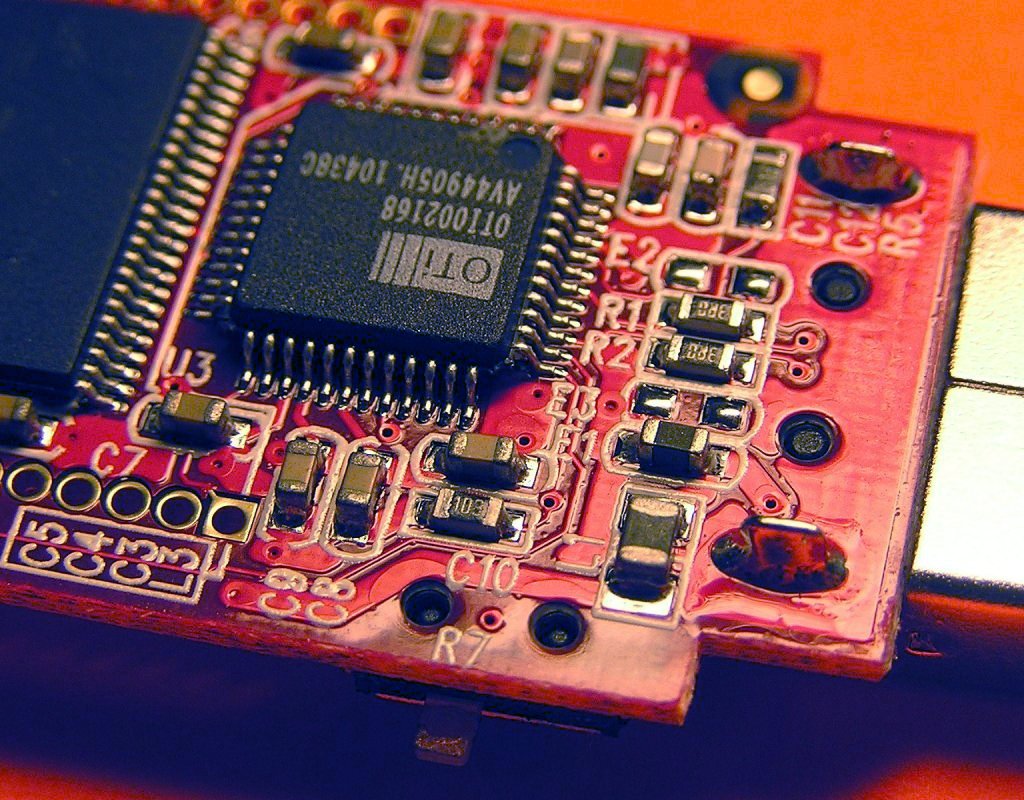
Moreover, the efficiency of SMT in the manufacturing process cannot be overlooked. The automated equipment used in SMT assembly is designed to handle a high volume of components quickly and accurately. This automation reduces labor costs and minimizes the potential for human error, leading to higher production yields and lower overall manufacturing expenses. Additionally, the speed of SMT assembly allows companies to shorten time-to-market, enabling them to respond swiftly to market changes and customer needs. For clients, this translates to faster delivery times and the ability to capitalize on emerging trends more effectively.
Another important consideration when discussing Surface-Mount Technology is its impact on performance and reliability. SMT components typically have shorter lead lengths and lower parasitic inductance, which can enhance the electrical performance of a device. Furthermore, the soldering process used in SMT, often involving reflow soldering, creates stronger mechanical bonds between components and PCBs. This reliability is critical for clients who prioritize quality and durability in their products, especially in sectors like automotive and medical devices, where failure is not an option.
In conclusion, understanding Surface-Mount Technology is vital for clients involved in electronics design and manufacturing. By recognizing the benefits of SMT, including compact design, manufacturing efficiency, and enhanced performance, clients can make informed decisions that align with their business goals. As the electronics industry continues to evolve, embracing SMT will be essential for staying competitive and meeting the demands of modern consumers.