

Long-Term Benefits of an Energy Certificate
Energy certificates – energivurdering av lagerbygg play a crucial role in assessing and communicating the energy efficiency of commercial buildings and rental units. These certificates provide an official rating that reflects the building’s energy performance, helping owners, tenants, and investors understand how much energy a property consumes. With growing concerns about sustainability and rising energy costs, energy certificates have become an essential requirement in many regions. They serve as a benchmark for identifying areas of improvement, allowing property owners to implement upgrades that enhance efficiency and reduce overall energy consumption.
For commercial buildings, an energy certificate helps businesses manage operational costs by ensuring they occupy energy-efficient spaces. High energy consumption in commercial properties leads to increased expenses, making energy efficiency a key factor in financial planning. Rental units also benefit from these certificates, as they allow potential tenants to compare energy performance between properties before making leasing decisions. A well-rated property not only attracts environmentally conscious tenants but also demonstrates the owner’s commitment to sustainability. The certification process typically involves professional assessments, including inspections of insulation, heating, ventilation, and lighting systems, all of which impact the building’s energy rating.
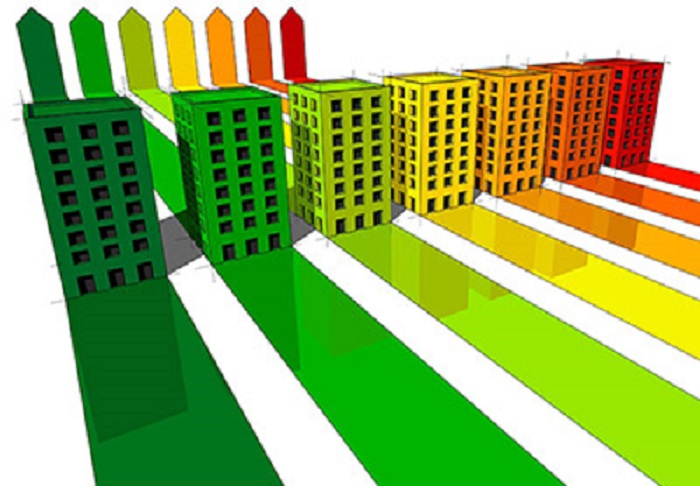
Obtaining an energy certificate provides long-term benefits for property owners, tenants, and the environment. For landlords and commercial property owners, a higher energy rating can increase property value and marketability, leading to better rental yields and occupancy rates. Tenants benefit from lower energy costs, making energy-efficient properties a more attractive option. Governments in many regions offer incentives or require energy certifications as part of regulatory compliance, further emphasizing the importance of maintaining high efficiency standards.
Additionally, energy certificates contribute to sustainability goals by encouraging energy-conscious decisions in property management. By improving insulation, upgrading HVAC systems, and adopting renewable energy sources, building owners can achieve better ratings and lower environmental impact. Over time, these improvements result in reduced carbon emissions and energy waste, making commercial buildings and rental units part of a more sustainable future. With stricter regulations and growing demand for energy-efficient spaces, obtaining and maintaining a strong energy certification is a strategic investment in both financial and environmental responsibility.