

Simple Ways to Manage Outdated Technology Responsibly
Technology rarely stands still for long. A laptop that felt brand new a few years ago suddenly struggles with modern software, phones are replaced as faster models arrive, and office equipment gradually becomes outdated. These upgrades make life easier, yet they also create a growing pile of devices that no longer serve their original purpose. Many households and businesses eventually begin searching for practical ways to deal with aging electronics, and the topic of connecticut electronics recycling often becomes part of that conversation. Proper recycling offers a path that feels both responsible and forward thinking, helping communities manage outdated technology without adding unnecessary waste to landfills.
Electronic devices contain far more than plastic and wires. Inside every computer, television, or printer are valuable materials such as copper, aluminum, and rare metals that can be recovered and reused. When these devices are thrown away instead of recycled, those resources disappear into landfills where they provide no future value. At the same time, certain components may contain substances that should be handled carefully. Recycling programs help separate these materials, allowing useful elements to be reused while keeping potentially harmful components out of the environment. This process turns what might appear to be useless equipment into an opportunity for resource recovery.
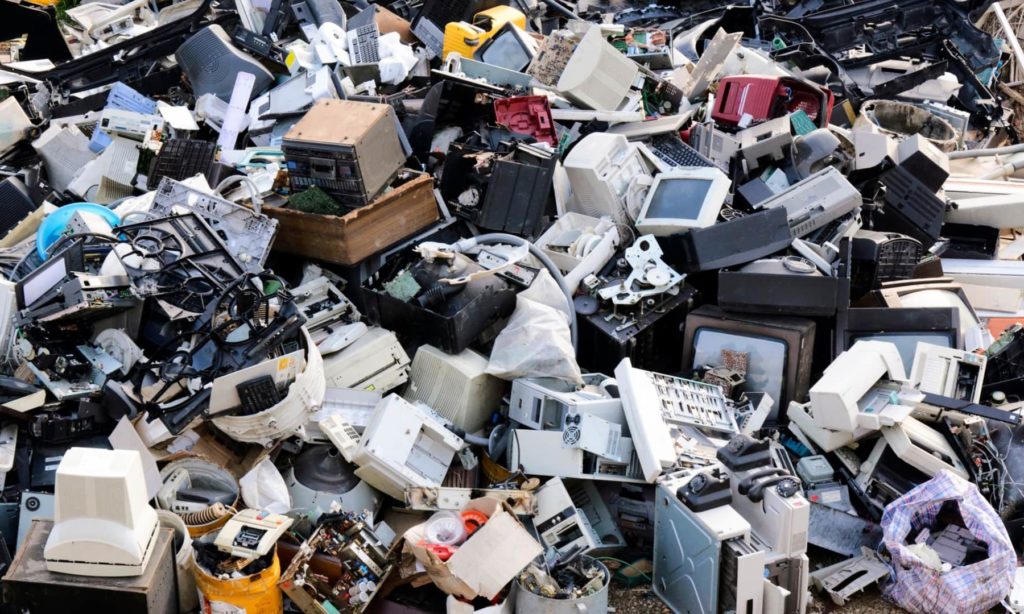
Many people are surprised to learn how simple responsible disposal can be once the right steps are understood. The first step usually involves sorting through unused electronics that have collected in storage spaces over the years. Old phones, unused chargers, outdated monitors, and retired office equipment often hide in drawers or closets long after they stop being useful. Taking time to gather these items creates a clear picture of what can be recycled. At the same time, removing personal data from devices like computers and smartphones becomes an important part of the preparation process.
Another interesting shift occurs when individuals start thinking about the life cycle of their devices. Instead of upgrading quickly and discarding older equipment without a plan, many people begin exploring ways to extend the usefulness of their technology. Some devices can be repaired, donated, or repurposed before recycling becomes necessary. This mindset encourages thoughtful consumption, reducing unnecessary waste while still allowing access to modern technology. Small changes in everyday habits can lead to meaningful progress when adopted across an entire community.
Communities across the state are gradually recognizing how important these efforts can be. By supporting connecticut electronics recycling initiatives, residents and businesses contribute to a cleaner environment while helping valuable resources remain in circulation. Responsible disposal of electronics becomes more than a routine task, it becomes part of a broader effort to manage technology in a way that respects both innovation and sustainability. As awareness continues to grow, more people are discovering that even small actions with outdated devices can play a role in building a healthier and more resource conscious future.